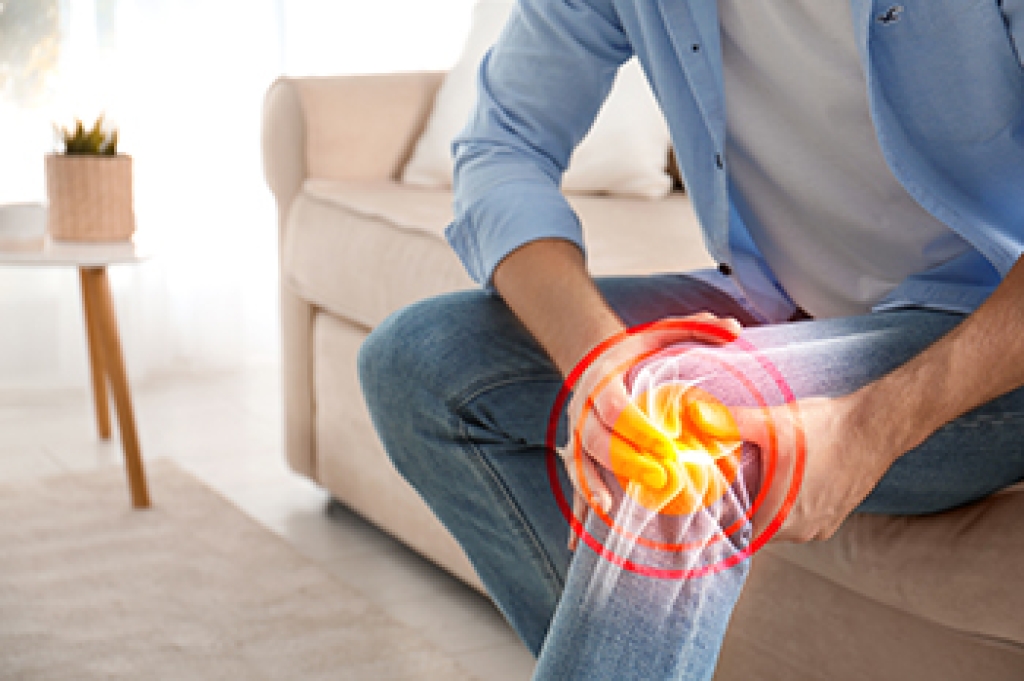
Pain around the kneecap makes stairs, running, and even sitting uncomfortable. This problem is called patellofemoral pain, which means discomfort at or around the kneecap. The kneecap, or patella, normally glides across the thighbone as the knee bends. When movement places uneven pressure on this area, pain can develop. Sudden increases in exercise contribute to the problem. Weak hip or thigh muscles may also affect how the kneecap moves. Shoes that lack proper support add stress during activity. Runners and other active people frequently experience these symptoms, but anyone can be affected.
Kneecap pain usually feels like an ache behind or around the knee joint. Squatting, climbing stairs, or sitting with bent knees can make it worse. Some patients notice discomfort after increasing their running distance or training intensity. The pain does not necessarily mean that the knee has permanent damage. A chiropractor will ask about daily activities and examine how the knee moves. Checking hip strength and leg alignment can reveal factors that increase pressure around the kneecap. X-rays are not usually necessary for this condition, although testing can help rule out other causes when symptoms are unusual.
A chiropractor will develop a care plan based on movement patterns and the activities that trigger pain. The plan includes supervised exercises to strengthen the hips and thighs. A chiropractor will also discuss changes to training demands and assess whether shoes provide proper support. Some patients benefit from a knee brace, although they do not help everyone. Treatment aims to improve comfortable movement rather than promise an immediate cure. Progress may vary, and persistent pain requires reassessment. If you have symptoms of kneecap pain, it is suggested that you schedule an appointment with a chiropractor for a diagnosis and appropriate treatment.
Knee Pain
Knee pain is a frequent complaint that can arise from injuries, overuse, arthritis, or misalignments in the body. This pain can disrupt daily life, limiting movement and impacting quality of life. Knee discomfort often develops when the body’s structural alignment is off, which places extra strain on the knee joint and surrounding muscles and ligaments.
Chiropractic care focuses on reducing knee pain by assessing and addressing alignment throughout the lower body. Gentle adjustments may be used to realign the knee and correct imbalances in the hip, pelvis, and spine that contribute to excessive knee stress. Restoring alignment in these areas can relieve pressure on the joint, ease pain, and promote improved mobility.
To support these adjustments, chiropractors often incorporate exercises, stretches, and lifestyle guidance to improve strength and flexibility around the knee. Strengthening muscles surrounding the joint can offer additional stability, helping to prevent future injuries.
Is knee pain treatment going to be painful?
Patients may worry that adjustments or other treatments will hurt. Chiropractors reassure patients that the techniques used are generally gentle, with any discomfort being mild and short-lived. They work within the patient’s pain tolerance.
How many sessions will I need?
Frequency and number of sessions depend on the pain’s severity and the patient’s response to treatment. Chiropractors often suggest a treatment plan tailored to the individual, sometimes starting with frequent visits and tapering as improvement occurs.
If you have any questions please feel free to contact our office located in Bridgewater, NJ .
 Call Us
 Text Us
